If you manage a fleet of trucks, even if it’s five trucks or fewer, fuel costs are likely to be one of your major monthly expenses. You can save big by tracking your fuel costs and optimizing them across your entire operation.
In this short guide, you’ll learn what fleet fuel management is and why it matters. Even single-truck operators can benefit from paying attention to fuel costs. You’ll also learn some of the common causes of excessive fuel usage that you can apply to your own operations.
What Is Fleet Fuel Management and Why Does It Matter?
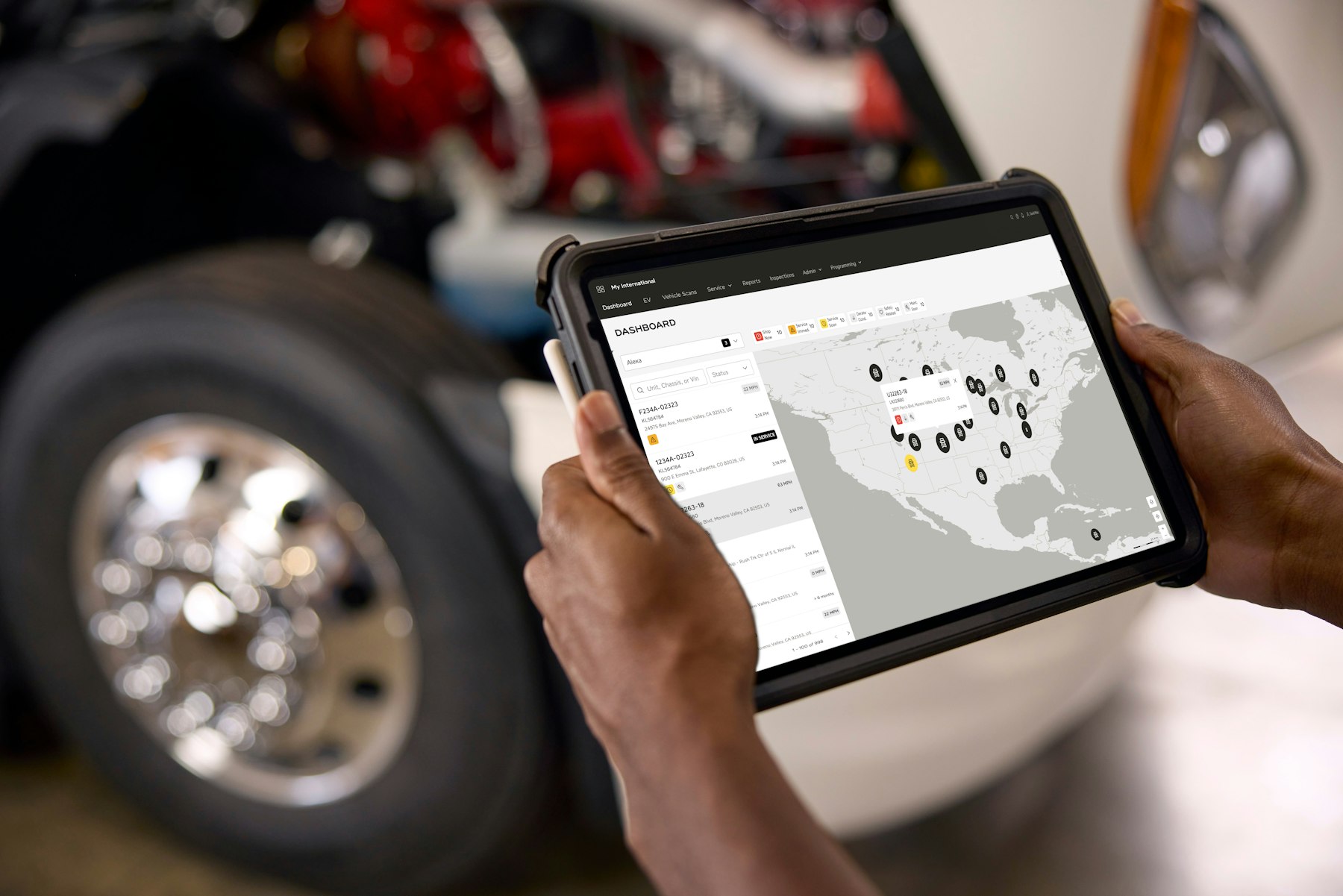
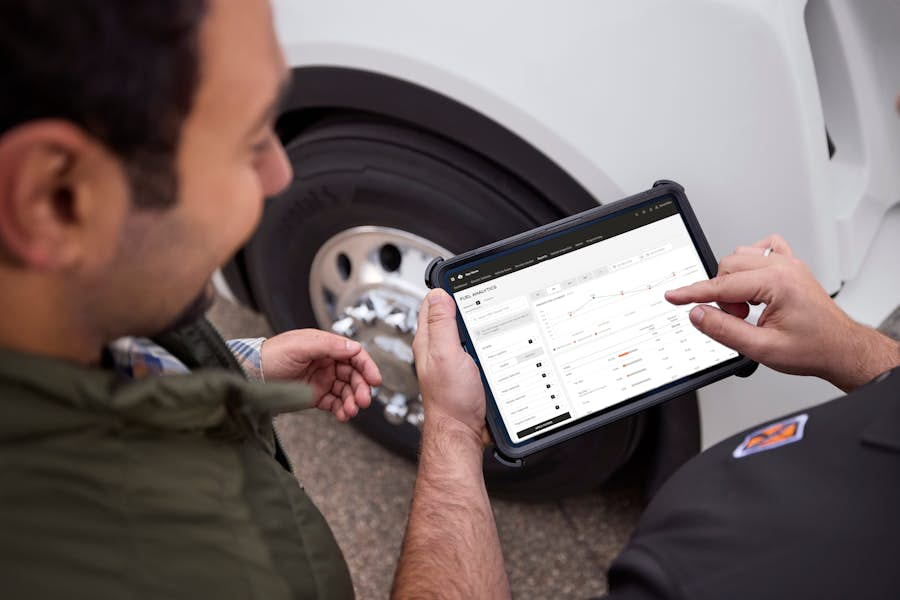
Fleet fuel management is the practice of actively managing your fuel usage across your entire fleet, whether that means one truck or twenty. You can do this using fleet fuel management software, or simply by using a spreadsheet.
By tracking your usage and setting new fuel policies across your operation, you can drive down costs. All this work matters because using data-driven tracking can help you achieve immediate clarity and savings.
The clarity comes when you can account for every bit of fuel and who is losing it. For example, once you’ve started tracking fuel by trip or driver, you can begin to understand where the biggest fuel losses are happening in your fleet. This can alert you to major issues like fuel fraud, deeply inefficient routes, and even upcoming mechanical problems.
There’s no predicting how much you can save, but some operations save as much as 15% in the first year. This process usually starts when you identify the big sources of fuel loss. In the next section, you’ll take a deeper look at the common causes of excess fuel consumption.
Common Causes of Excessive Fleet Fuel Consumption
When you start managing your fuel usage across your entire fleet, you’ll quickly discover that you’re losing fuel in a lot of ways that you’ve never considered before. Everything from your drivers’ behavior to the timing of your trips can have a huge impact on total cost.
It’s worth starting with the factors that are most often discovered by other fleet operators who start their fuel management programs. Here are some of the first things you’re likely to notice, and you’ll probably want to target them first.
Poor Driving Habits
Driver behavior can have a big impact on fuel usage. As an example, aggressive acceleration and hard braking can both lead to greater fuel loss than more controlled driving. If your drivers are making choices that leave them stuck in place, that can also result in fuel loss.
Start tracking fuel use patterns right away (using fleet fuel management systems or simply fuel/odometer readings) so you can use the data to identify who is using more fuel on the same repeated routes.
As you continue tracking, you can help develop fleet-wide practices. You can also identify sources of loss, like fuel theft. If you put enough policies in place, you can save significantly on fuel every month. As an added bonus, more efficient driving can reduce engine wear and lower maintenance costs.
Poor Routing
If you set ineffective routes that create unnecessary idling time, it may be costing you hundreds to thousands of dollars a month.
For example, if your routes often leave your drivers stuck in traffic, you’re wasting fuel every minute the trucks stand still. Review all your routes and determine which are candidates for optimization.
Overloading
Loading your trucks with as much as they can carry in a trip may seem like the sensible option, but if your trucks are traveling long distances, the loss in fuel economy after certain weights can cost you more than the profit from the overloaded product. Overloading can also cause engine strain, tire pressure issues, and other costly problems.
Poor Maintenance
Dozens of different maintenance problems can cause fuel efficiency and other vehicle performance issues. Here are just a few examples that any fleet of trucks is likely to struggle with:
- Tires: Low tire pressure directly impacts fuel economy, and it’s easy to develop this problem if you aren’t having your tires checked regularly. You lose efficiency with every PSI number that falls below the recommended pressure for your truck. Eventually, the problem can become dangerous, and that could lead to high-loss events.
- Air filters: Dirty air filters will make your engine struggle. It will require additional fuel to reach the same acceleration, and your fuel efficiency will suffer. An air filter that needs replacing can reduce your fuel efficiency by up to 5%.
- Brakes: Wear and tear on your brakes can lead to high additional costs if they aren’t maintained. Poor brake maintenance can also lead to dangerous situations for your drivers.
Preventative maintenance can help you prevent these problems, and in the same way, poor fuel efficiency can be a signal that maintenance is needed.
These are just a few examples of areas you can target with your fleet fuel management program. Once you have any sort of tracking in place, you’ll start to develop further insights into where you’re using too much fuel.
Contact HOLT Truck Centers to Explore Fleet Management Now
You now understand what fleet fuel management is, why it matters, and the type of unnecessary waste it is intended to prevent. One of the keys to controlling your fuel costs is keeping your entire fleet well-maintained. Your trucks are at their most efficient when every part in them is operating in peak condition.
If you need help keeping your fleet in top condition, you can find new and used trucks, parts, services and more at HOLT Truck Centers. We have many ways to help you achieve operational efficiency.